
Garden design
Try a flower color pairing before planting a whole border
Test a small combination against the real background and light of your garden.
Flowers, borders & a little time outside
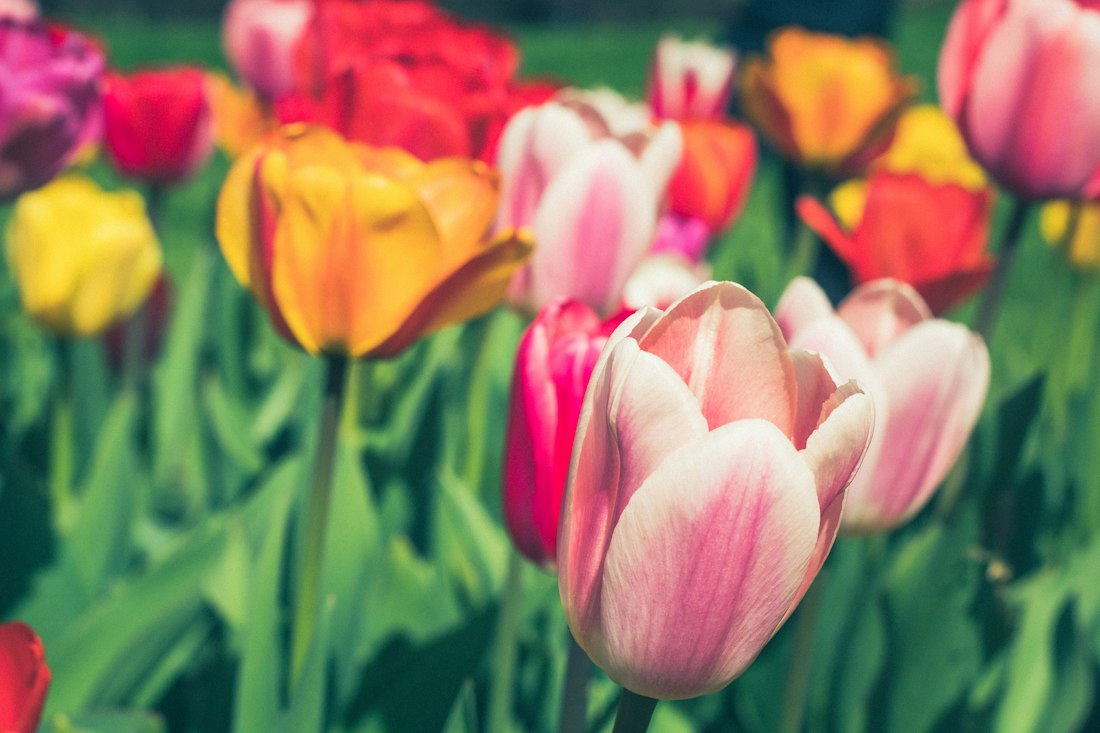
Flower-growing notes, thoughtful planting plans and gentle seasonal projects. A garden does not have to be grand to be worth your time.
Annuals, bulbs and the shape of a flowering season.
Browse the notes →02Start with the pot, the place and the growing conditions.
Browse the notes →03Thoughtful borders, useful paths and room to grow.
Browse the notes →Test a small combination against the real background and light of your garden.

Keep botanical identity attached to the familiar word geranium.

Plan the storage, foliage stage and next display before filling the pot.

A retrospective that produces three useful decisions instead of a complete redesign.

Resolve the plant’s identity before removing the stems that may carry its next display.

Choose a destination and species-appropriate timing before lifting the clump.

Find out whether the space is genuinely empty, temporarily dormant or already claimed by future growth.

Keep the instructions for flowering wood close to the plant before making a winter cut.

Check establishment and soil moisture before assuming the rain has done the work.

Read the information that determines timing, space and aftercare before opening the packet.

Plan the support and picking route before young stems become tangled.

Follow the laboratory’s collection instructions so the result describes the area you want to manage.

Maintenance access is part of the planting plan from the beginning.

Turn a bag of dormant bulbs into a clear planting plan you can find again.

Use a public garden as a place to observe named plants in context.

Make outdoor acclimatization fit the plants, the forecast and your daily routine.

Place fragrant flowers around real garden use rather than expecting a label to perfume the whole space.

Space can be a more useful gift than another early application of feed.

Understand the plant’s life cycle before expecting every leafy rosette to flower immediately.

Identify the flowering habit before borrowing a cut-back rule from another shrub.

Use seasonal flowers to test a palette, fill a planned gap or create a small cutting patch.

Leave selected finished flowers deliberately, with room to reassess them.

Check height, branching and support before sowing a giant beside a small patio.

Plan the sequence before choosing the individual flowers.

A shaded border does not need to depend on continuous flowering to feel complete.

Do not transfer advice for one kind of iris to every plant carrying the name.

Distinguish bent growth, broken stems and a support problem before tidying the border.

Describe both the light and the soil before choosing flowers for a shaded corner.

Choose the protection and care commitment before filling several containers.

Decide where you want more flowers and where you want seedheads before reaching for the snips.

Flower choice matters, but so do timing, site conditions and the insects you want to support.

Read the plant’s rating in the context of local conditions and the system being used.

A shared flower name can cover quite different roles in a garden.

Make space for the mature plant, its supports and your hands.

Check the root environment before adding another Echinacea to a summer border.

Make it easy to distinguish the intended planting from the rest of the border.

Design the weeks after flowering as carefully as the flower display.

Let growing-on space set the scale of the first tray.

Early support can be simpler to place and less conspicuous later.

The plant’s hardiness and drainage needs matter as much as the color of its flowers.

Understand the plant’s lifespan and hardiness before deciding its place in the border.

Grow enough for small arrangements without turning the whole garden into a production plot.

Place winter and early-spring interest where you can see it without disturbing the plant.

Choose it for the planting and soil rather than using it as a universal finishing layer.

Use the label and the available space to decide whether a discounted flower is useful.

Leave room to inspect leaves, recognize seedlings and maintain the tall display.

Build a workable display around light, access and watering.

Use the botanical label to distinguish Amaryllis from the indoor Hippeastrum often sold at Christmas.

Turn analysis into a specific action instead of adding nutrients by habit.
No growing notes match. Try a different subject or search.
A simple sequence for your own growing conditions.
Observe the light, space and access. Choose plants suited to your place.
Begin with the siteLook beyond a single flowering moment. Note what each part of the planting contributes.
Plan a longer sequenceUse your photographs to choose one useful change for next time.
Review your garden notes